




Application Matching
Industrial Lifting Applications
Match working conditions with practical hoist, trolley, rigging, and material handling categories before quotation discussion.
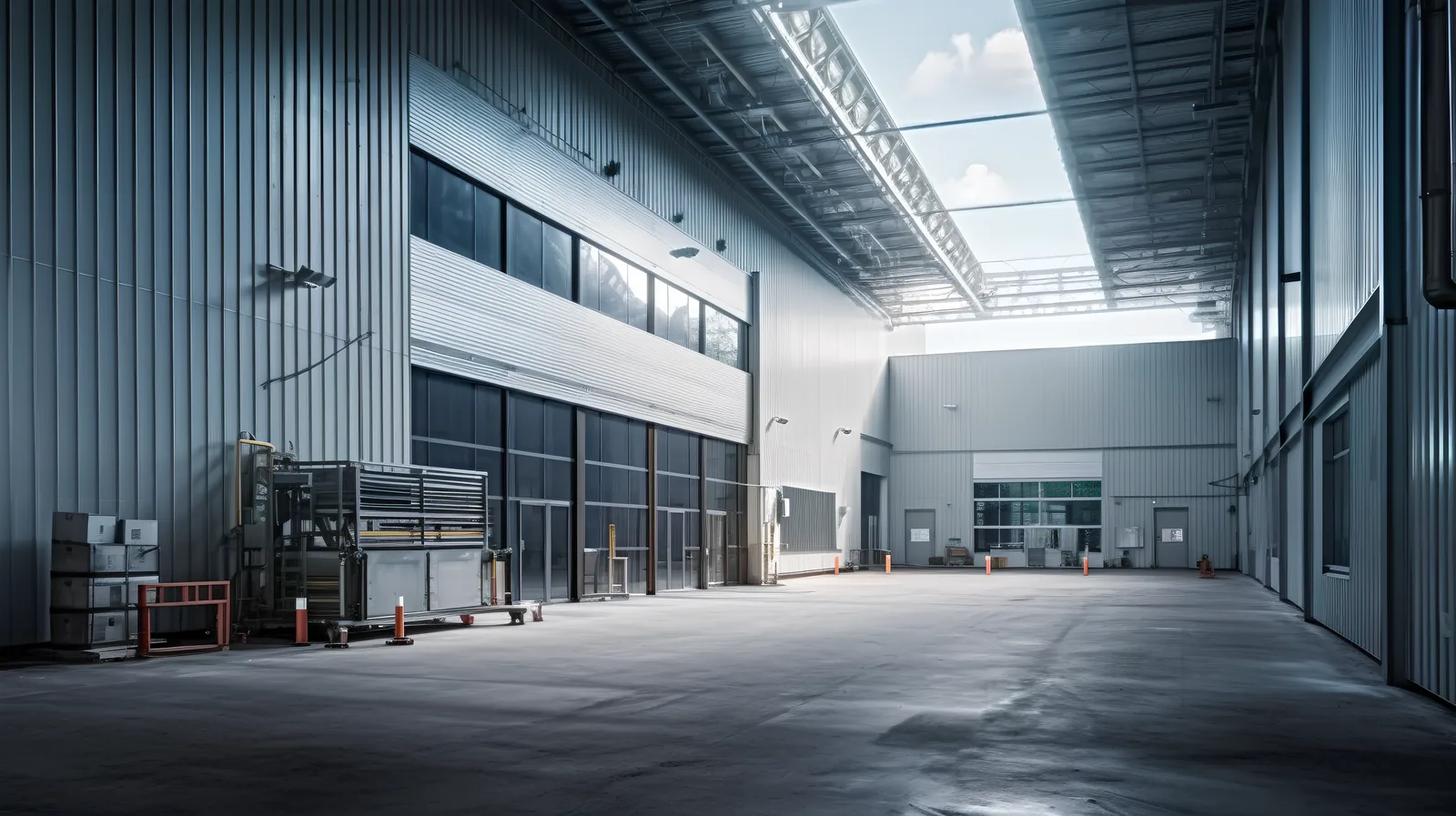
Working Conditions First
Review the Application Before Choosing a Model
Different lifting environments need different product categories, control methods, and installation considerations. Share capacity, lifting height, load type, site conditions, and quantity so the inquiry can be reviewed around practical use instead of only a product name.
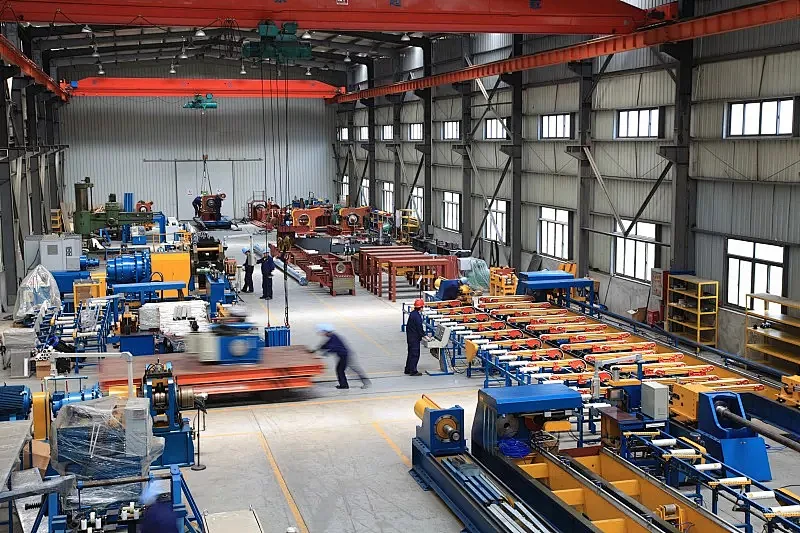
Factories & Workshops
Controlled Lifting for Production and Maintenance Bays
Production lines, assembly areas, and workshop maintenance zones often need compact lifting categories such as electric chain hoists, manual hoists, beam trolleys, or trolley-supported lifting.
- Share lifting capacity, lifting height, and available headroom.
- Confirm whether the lift is fixed-position, trolley travel, or repeated handling.
- Include power conditions and expected use frequency.
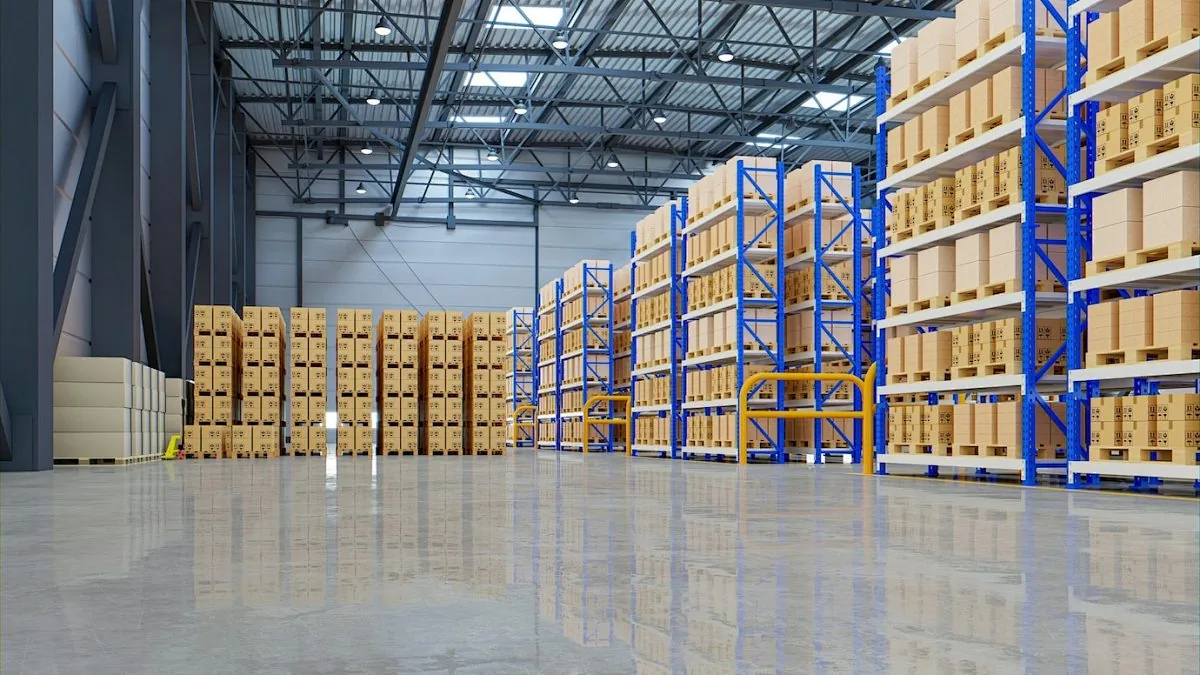
Warehouses & Logistics
Short-Distance Movement, Loading, and Stock Handling
Warehouse movement, loading support, and stock handling may involve pallet trucks, stackers, manual hoists, winches, or application-specific material handling solutions.
- Describe aisle width, floor condition, pallet size, and load shape.
- Confirm manual or powered handling preference.
- Include quantity, destination country, and packaging expectations.
Quote Details
Turn Site Details into a Focused Inquiry
The same product category can require different control, travel, lifting height, and installation choices. Clear application details help narrow the quotation discussion before model selection.
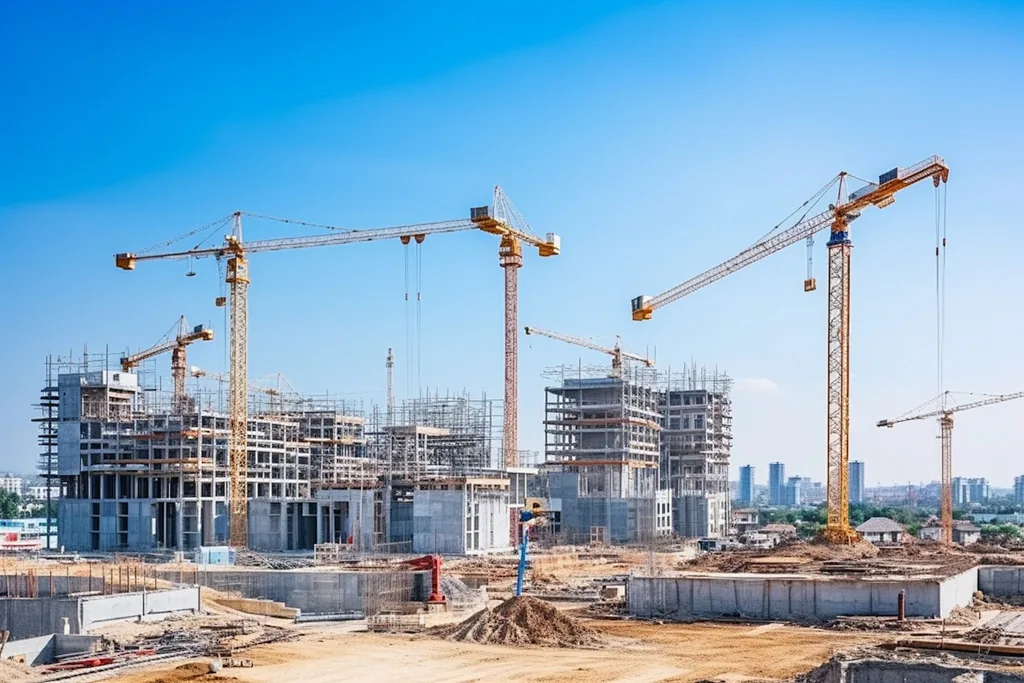
Construction Sites
Temporary Lifting and Site Installation Support
Construction lifting, installation, and site maintenance require clear details about working height, power access, environment, load type, and movement frequency.
- Confirm whether the equipment is temporary or part of a fixed setup.
- Share site height, available structure, and power conditions.
- Describe weather exposure, dust, and handling frequency.
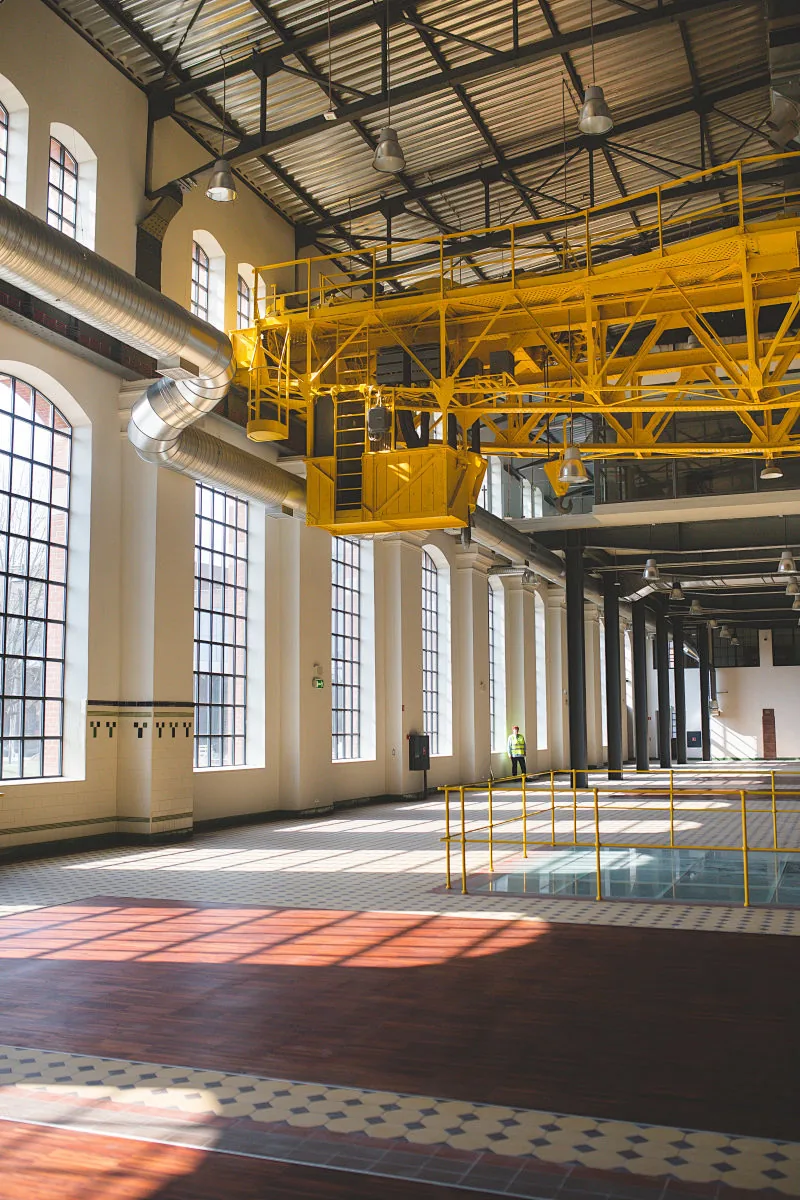
Steel Structure Installation
Planning Support for Steel Handling and Positioning
Steel handling and positioning inquiries should stay focused on the actual load shape, lifting points, site restrictions, and whether hoisting, trolley travel, magnetic lifting, or rigging categories are being considered.
- Share load dimensions, weight range, and pickup points.
- Confirm installation clearance and movement direction.
- Note whether the site needs lifting, pulling, positioning, or handling support.
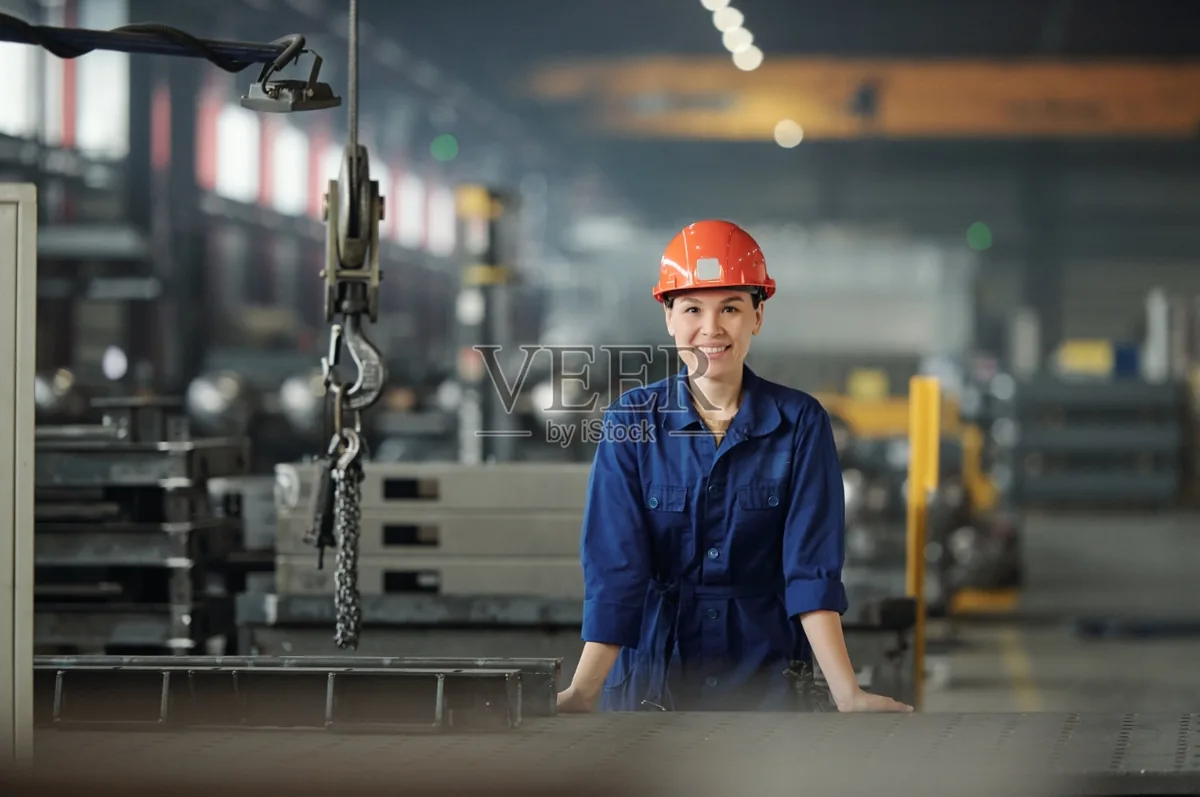
Equipment Maintenance
Portable Lifting for Repair and Positioning Work
Maintenance lifting may prioritize portability, control, low headroom, and stable positioning for pumps, motors, machinery parts, or workshop repair tasks.
- Identify the part being lifted and the access restrictions around it.
- Confirm whether manual, electric, or trolley movement is needed.
- Share the working height and whether lifting is occasional or frequent.
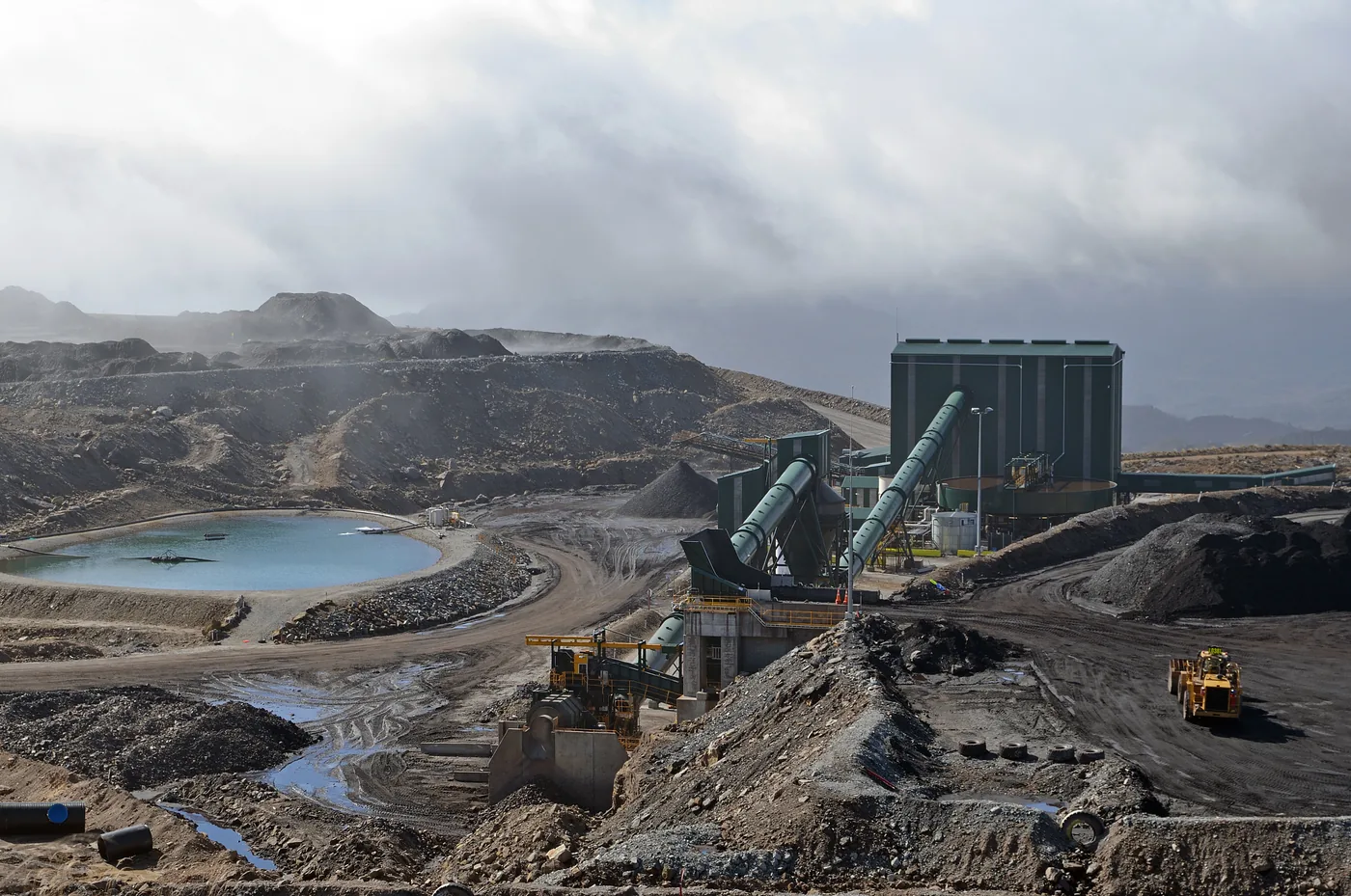
Mining & Heavy Industry
Application Review for Demanding Work Environments
Heavy-industry inquiries should describe the operating environment, load range, use frequency, installation constraints, and any special handling requirements for review.
- Describe dust, outdoor exposure, duty expectations, and access limits.
- Confirm lifting capacity, lifting height, and load movement direction.
- Share whether the inquiry is for hoisting, pulling, positioning, or material movement.